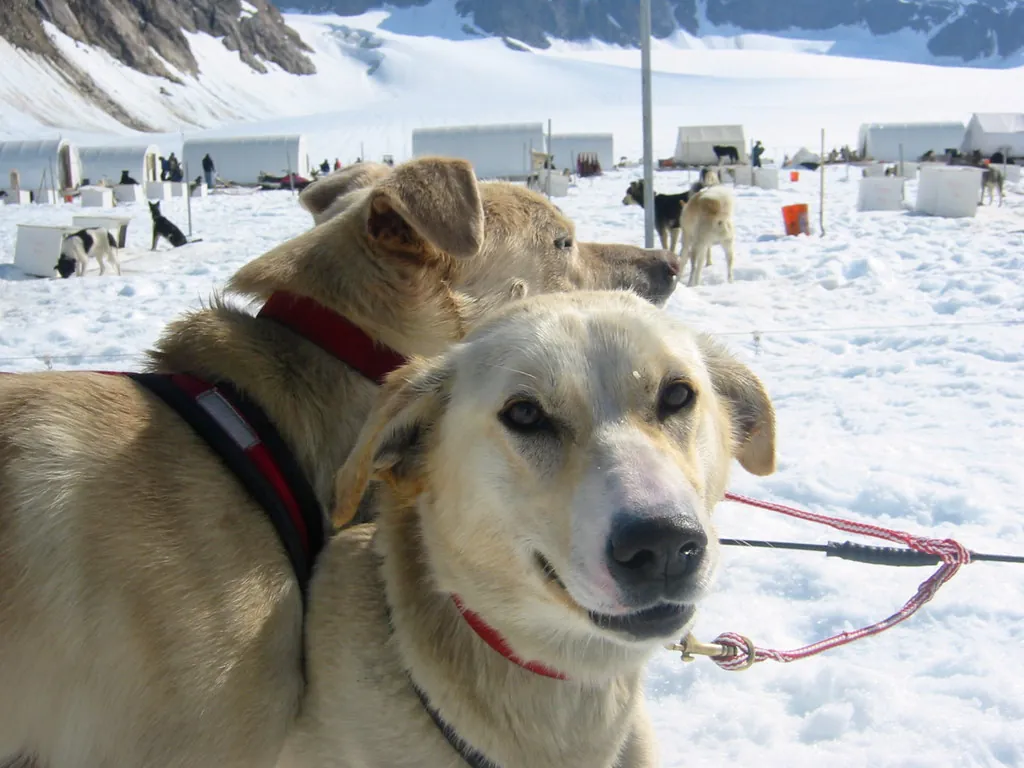
The Iditarod & Famous Alaska Races: The Last Great Race on Earth
The Iditarod Trail Sled Dog Race demands absolute mastery of the wilderness. Competitors drive their teams acroos nearly 1,000 miles of jagged mountain passes, frozen river corridors, and desolate coastal sea ice. This annual marathon tests canine athleticism and human endurance against conditions most travelers actively avoid. You measure progress here not in miles per hour, but in survival and strategic rest. Every March, the world watches as elite teams battle sleep deprivation and hallucination to reach the burled arch in Nome. You can track their exact coordinates via the official Iditarod GPS tracker, a digital lifeline connecting fans to the frozen expanse.
The Spirit of the Last Great Race
Modern mushing owes its competitive framework to a frantic, life-saving relay. In 1925, a diphtheria outbreak threatened the isolated gold-rush town of Nome. Ice choked the Bering Sea port, paralyzing maritime supply lines. Winter storms grounded early open-cockpit aviation. The territory’s only hope rested on a relay of twenty mushers and their dog teams hauling a 20-pound cylinder of antitoxin 674 miles from Nenana to the coast.
Leonhard Seppala and his lead dog Togo navigated the perilous Norton Sound ice, covering the most dangerous stretch of the journey. Gunnar Kaasen and Balto completed the final leg, arriving in Nome under the cover of a blizzard. Historical records preserved in the Alaska State Library archives detail the brutal temperatures these teams faced—often plummeting past minus forty degrees Fahrenheit. Understanding this history reframes the modern Iditarod. It ceases to be merely a race and becomes a commemoration of survival.
The modern route itself shifts. Organizers alternate between a Northern and Southern path every year to manage trail sustainability and distribute the economic impact among remote Athabascan and Inupiaq communities. Teams depart the starting line carrying strict quotas of survival equipment. If you examine what a musher packs in their sled, you find mandatory items like heavy-duty winter sleeping bags, an ax, snowshoes, and a cooker to melt snow for dog water.
Major Alaskan Mushing Races
| Race Name | Distance | Typical Timing | Region |
|---|---|---|---|
| Iditarod Trail Sled Dog Race | ~1,000 miles | March | Anchorage to Nome |
| Yukon Quest Alaska | 750 miles | February | Fairbanks |
| Copper Basin 300 | 300 miles | January | Glennallen |
| Willow 300 | 300 miles | February | Willow |
The Iditarod dominates international headlines, yet the Yukon Quest historically claimed the title of the toughest sled dog race in the world. Originally running 1,000 miles between Fairbanks, Alaska, and Whitehorse, Yukon, the organizations split, and the premier Alaska race is now a 750-mile loop starting and finishing in Fairbanks. Mushers must haul more gear and rely entirely on wilderness survival skills between remote stops. Regional sprint races and mid-distance qualifiers like the Copper Basin 300 demand intense speed over shorter distances, punishing teams that fail to pace themselves.
You can experience the regional culture surrounding these northern events by exploring Fairbanks mushing and aurora tours, where the dark skies provide an unparalleled backdrop for winter trail runs. Should you want a taste of the speed yourself, booking a dog sledding ride in Fairbanks with free pickup gets you onto the trails without the logistical headache of operating a rental vehicle on black ice.
Spectating & Logistics
The Ceremonial Start (Anchorage)
Downtown Anchorage transforms into a massive snow track on the first Saturday of March. Dump trucks haul snow into the streets to create a temporary running surface over the asphalt. Fans line 4th Avenue to watch mushers and their exuberant Alaskan Husky breeds take off one by one. The ceremonial start focuses heavily on fan engagement. You will see mushers carrying “Iditariders”—sponsors or auction winners—in their sled baskets for the first eleven miles. It serves as an electric, high-energy photo opportunity before the true isolation begins. Travelers staying in the city can easily extend their trip with an authentic Anchorage dog sledding experience on the legendary Tozier Track.
The Official Restart (Willow)
The clock starts ticking in Willow. Located on Willow Lake the Sunday following the Anchorage kickoff, this location marks the official restart. The party atmosphere fades immediately. Mushers secure their final gear checks, focus their teams, and launch into the unforgiving wilderness. Willow holds the title of the “Mushing Capital of the World” due to its dense concentration of professional kennels. Parking fills up rapidly; seasoned spectators secure shuttle tickets months in advance to avoid the gridlock on the Parks Highway. Visiting this area offers a prime opportunity to embed yourself in the lifestyle. Booking a dog sledding adventure in Willow puts you directly on the same training grounds used by Iditarod champions.
Race Ethics and Dog Welfare
The intense scrutiny on canine welfare dictates the structure of the race. The Iditarod Veterinary Guidelines mandate comprehensive examinations before any dog approaches the starting line. Once the race begins, a network of volunteer veterinarians staffs every checkpoint along the 1,000-mile route. They monitor hydration, resting heart rates, joint mobility, and paw pad condition. If a dog shows signs of fatigue or minor injury, the musher must “drop” the dog at the checkpoint. Volunteer bush pilots then fly the retired dogs back to Anchorage for continued monitoring.
“You cannot force a team of sixteen huskies to pull a sled 1,000 miles if they lack the desire. The musher acts as a coach, nutritionist, and medic.”
This sport relies entirely on the bond forged between human and animal. Sled dogs possess a powerful physiological drive to run. The musher often prioritizes the dogs’ rest schedules over their own sleep. They carefully calibrate diets, feeding their teams high-fat kibble mixed with frozen salmon or beef chunks to sustain the immense caloric burn required by the cold. This extreme level of care defines the conditions they train in.
Planning Your Visit
Timing a trip to coincide with the Iditarod requires precision. Early March delivers volatile weather patterns across the state. Coastal storms clash with interior cold fronts, creating unpredictable road conditions. Reviewing our best time and weather guide helps calibrate your gear expectations—layering properly prevents hypothermia during hours of stationary spectating on a frozen lake.
If your itinerary does not align with the race start, you can still experience the culture. Many Iditarod finishers and veterans operate active kennels near the Mat-Su Valley and the interior. Summer travelers can even simulate the experience via dry-land carting or by booking helicopter access to high-altitude glacier camps, as detailed in our guided tours and lessons directory. Meeting retired race dogs and observing the frenetic energy of a working kennel delivers a profound understanding of teh sport.