Helicopter vs. Land-Based Tours: Choosing Your Experience
Introduction: The Two Faces of Alaskan Mushing
Dog mushing is the official state sport of Alaska, a mode of transportation that predates modern aviation and road networks. The history of the sled dog is inextricably linked to the survival and expansion of human settlements in the far north. Today, travelers arriving in this massive, unforgiving landscape face a stark choice regarding how they want to experience this piece of living history. You can either board a turbine helicopter in the middle of July and fly to a high-altitude, sun-blasted icefield, or you can wait for the deep freeze of January to run a team of huskies through a snow-choked boreal forest.
Both options place you firmly on the wooden runners of a dog sled. They are, however, entirely different experiences that cater to different budgets, travel schedules, and physical tolerances. Understanding the mechanics, the financial costs, and the harsh environmental realities of each will guarantee you select the excursion that matches your expectations.
The Helicopter Glacier Experience (Summer)
For those visiting the state between May and September—typically arriving via a massive cruise ship steaming through the coastal waters of the Inside Passage—the snow at sea level has long since melted. The valleys are green, and the rivers run high with glacial runoff. The only way to find runable ice is to go straight up. Aviation outfits in Juneau, Skagway, and Seward run specialized, temporary camps on glaciers where the deep winter snowpack survives the summer heat. Getting to these camps requires rotary-wing aircraft.
You depart from a coastal heliport, lifting rapidly over dense temperate rainforests. The aircraft ascends toward the jagged, blue-crevassed expanse of the Juneau Icefield or the high granite peaks of the Chugach Mountains. The flight alone justifies a significant portion of the premium price tag. You gain an aerial perspective of inaccessible terrain, watching waterfalls carve through rock walls and spotting deep moulins that drain meltwater into the bowels of the glacier.
“The mechanical whine of the rotors powers down, and the silence of the high alpine environment is immediately broken by the frantic barking of dozens of Alaskan Huskies.”
Once the helicopter skids finally touch down on the ice, you step out of the aircraft onto crushed snow, surrounded by peaks that look entirely inhospitable to life. Here, the mushers and their dogs live in extreme isolation, operating a seasonal camp that relies on constant aerial resupply for everything from dog kibble to drinking water. If you want to book this specific kind of high-altitude run, consider the Helicopter Glacier & Dog Sledding Adventure Tour operating out of Seward.
The Land-Based Wilderness Experience (Winter)
Winter mushing is the sport in its original, unvarnished form. Between December and March, the swamps freeze solid, the rivers turn to ice, and the entire state becomes a navigable, frozen highway. Land-based tours operate directly out of the mushers’ permanent kennels. You arrive by car or shuttle, stepping out into temperatures that routinely drop to twenty below zero. The air is sharp, carrying the distinct scent of woodsmoke, wet fur, and raw dog food.
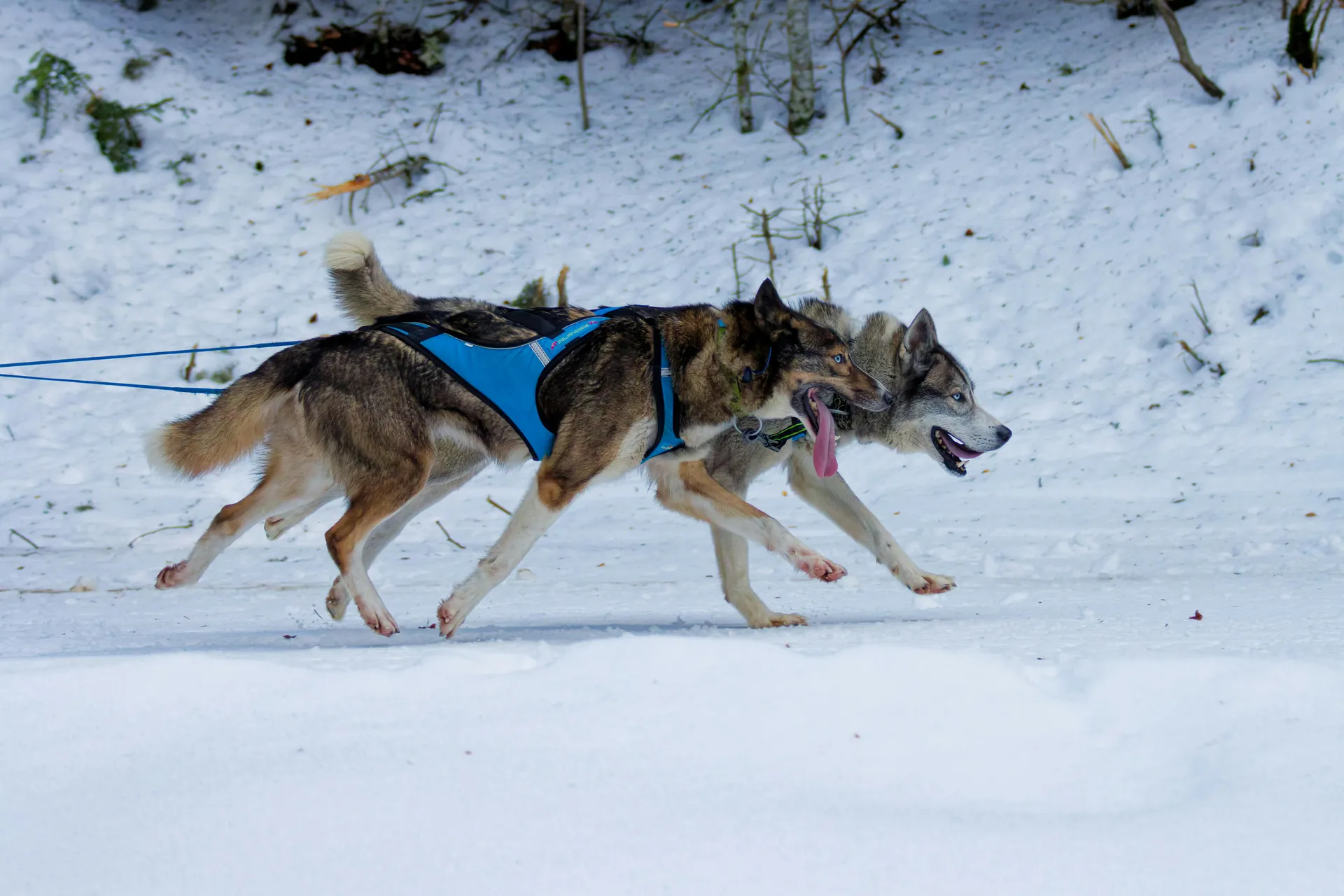
These runs take place in the shadow of the Alaska Range or deep within the birch and spruce forests of the Interior. Instead of a quick, highly manicured loop on a flat glacier, a winter trail winds through tight tree lines, over frozen riverbeds, and across wide-open, wind-scoured tundra. The dogs are entirely in their element, pulling harder and running much faster than they do in the slushy, sun-baked summer ice. Their physiology is designed for extreme cold; they thrive when the mercury plummets. For those staying near the state’s largest city, the Dog Sledding Adventure in Willow, Alaska grants direct access to the region’s historic winter trails. If you head further north into the interior, the Dog Sledding and Mushing Experience in North Pole puts you right in the heart of Fairbanks’ extreme winter environment.
Scenery & Environment Comparison
A summer glacier tour delivers unimaginable scale. You are a tiny, insignificant speck on a massive sheet of ancient, moving ice. The light is blindingly bright, reflecting off the granular snow and the deep, crystalline blue meltwater pools. The US Forest Service, which controls access to heavily trafficked areas like the Mendenhall Glacier Visitor Center, notes that this specific ice field covers fifteen hundred square miles of high-altitude terrain. It is a stark, alien landscape devoid of vegetation. You will not see moose or bears up here; you will only see ice, rock, and sky. For more details on the best times to experience this visual extreme, read our guide on the best time and weather for dog sledding.
Winter land-based tours deliver a profound sense of intimacy. The scenery consists of heavily snow-loaded spruce trees, fresh animal tracks crossing the groomed trail, and the long, stretching shadows cast by a sun that barely clears the southern horizon. If you book a late evening run in the interior, the darkness might suddenly shatter as the green and violet ribbons of the Aurora Borealis dance overhead. The focus here is less on sweeping geological formations and more on the quiet, rhythmic sound of the sled runners gliding over hard-packed snow.
Accessibility & Logistics
Helicopter operations are entirely beholden to aviation weather parameters. Low cloud ceilings, high shifting winds, or sudden banks of dense fog will ground a flight fleet in a matter of minutes. The NOAA Alaska Aviation Weather Unit monitors these coastal zones constantly, and pilots will not fly if visibility drops below strict regulatory minimums. Cancellations are incredibly common. If you are arriving on a cruise ship, it is critical to book your flight for the first available morning slot to leave a narrow window for rescheduling later in the day if the fog burns off. Furthermore, helicopters impose strict weight limits; passengers exceeding 250 pounds are often required to purchase a weight surcharge or a second seat to properly balance the aircraft.
Land kennels are significantly more reliable. Because they are accessed via the established road system, a tour will proceed unless highway conditions are entirely impassable or the ambient temperature drops to a level that becomes dangerous for the dogs’ lungs—usually around forty degrees below zero. Land kennels can accomodate a much wider range of physical body types and do not require the precise, unforgiving weight calculations of rotary-wing flight.
The “Summer Mushing” Reality Check
It is critical to understand the actual lifestyle of a glacier sled dog. These animals are elite athletes in serious training, but they do not live on the ice year-round. They are seasonal commuters. In late May, mushers load their teams into helicopters and fly them up to the established camps. The dogs spend the summer running loops on the snowfield, which serves as an excellent form of resistance training while the valleys below are bare dirt and asphalt. For a deeper look at how professional kennels manage their teams during the warmer months, you can read our comprehensive breakdown of summer mushing training.
The actual sled runs on a glacier are relatively short. The surface area safe for sledding is heavily restricted by hidden crevasses and rushing melt streams. You will cover a specific, repeatedly groomed track. It is a highly controlled environment designed to give you a safe taste of mushing without exposing you to the objective hazards of wild, unmarked backcountry travel.
Cost Analysis: Value vs. Investment
You cannot fly a multi-million dollar turbine helicopter to a remote, shifting icefield cheaply. The aviation fuel, the specialized insurance premiums, and the logistical nightmare of maintaining a sanitary camp on a moving river of ice drive the price of these excursions firmly into the premium tier.
| Feature | Helicopter Glacier Tour | Winter Land-Based Tour |
|---|---|---|
| Average Cost | $550 – $850+ per person | $150 – $350 per person |
| Duration | 2.5 to 4 hours (Total transit included) | 1 to 3 hours (Trail time & kennel tour) |
| Primary Transport | Rotary-wing aircraft | Road vehicle / Shuttle |
| Weather Risk | High (Flight cancellations common) | Low (Extreme cold cancellations rare) |
Land-based tours eliminate the massive aviation overhead. The value proposition here is entirely different. You are paying for direct time with the musher, extended time socializing with the dogs, and a much longer, more varied trail experience. If you want maximum time on the runners for your dollar, the winter land option is the clear mathematical winner. Consider the Dog Sledding Adventure in Willow, Alaska, which drops you right into the mushing capital of the world for a fraction of the cost of a glacier flight.
Physical Demands & Accessibility
Glacier tours demand a moderate level of mobility. You must be able to duck under spinning rotor blades, step up high onto the helicopter skids, and walk on uneven, slushy snow in bulky overboots. It is not an extreme physical challenge by any metric, but it does require basic balance and spatial awareness.
Winter land tours can be as passive or as violently active as you desire. Most kennels feature a standard ride-along option where you are swaddled in heavy sleeping bags and sit low in the basket of the sled while the musher drives. For those wanting a physical challenge, many operators conduct a “drive your own team” clinic. Standing on the back runners requires solid core strength, excellent balance, and the ability to shift your body weight rapidly around tight, icy corners. If you lose your grip and fall, the dogs will not stop. They are bred to pull, and they will happily leave you face-down in a snowbank.
Weather & Gear Requirements
The gear required for these two specific environments diverges sharply. On a high-altitude glacier in the middle of July, the ambient temperature might be a comfortable forty-five degrees Fahrenheit. The primary threat is not hypothermia, but the intense ultraviolet radiation reflecting off the stark white surface. Dark, polarized sunglasses are absolutely mandatory to prevent snow blindness, and heavy sunscreen is highly recommended. You will likely wear a light windbreaker jacket and waterproof boots handed out by the flight operator.
Winter mushing is a relentless battle against the cold. When moving at ten miles per hour in sub-zero temperatures, the wind chill will strip heat from your body instantly. You need insulated pac boots rated for extreme conditions, heavy down parkas, thick mittens, and a neoprene face mask to prevent instant frostbite on your nose and cheeks. Proper equipment is not optional—it is a strict safety requirement. Before packing your bags, review our detailed breakdown of mushing gear essentials.
The “Authentic” Factor
There is an ongoing debate among purists regarding the authenticity of summer glacier camps. Some argue they are highly manufactured tourist attractions designed to extract maximum revenue from cruise passengers. Others point out that the mushers running these camps are hardened Iditarod veterans using the summer revenue to fund their massively expensive winter racing kennels. The Iditarod Trail Committee documents how this 1,000-mile race tests the absolute limits of human and canine endurance, stretching from Southcentral Alaska to the Bering Sea coast. The happy, panting dogs you meet on the ice in July might be the exact same elite athletes crossing the finish line in Nome the following March.
Winter tours, however, grant an unfiltered glimpse into the daily reality of a working kennel. You see the wooden dog boxes, the heavy meat saws used to cut frozen blocks of chum salmon, and the massive, exhausting undertaking of feeding forty canine athletes in the dead of winter. It feels less like a sanitized excursion and more like stepping briefly into someone’s rugged, demanding life. To better understand the lineage and capabilities of these incredible animals, take a look at our overview of Alaskan sled dog breeds.
Choosing Based on Your Itinerary
Your ultimate decision is largely dictated by your travel schedule. If you arrive on a cruise ship between May and September, a winter trail run is physically impossible. You must choose between a helicopter glacier tour or a wheeled summer cart ride on dry land, such as the Musher’s Camp & Sled Dog Discovery in Juneau Alaska. If you fly into the state during the dark months specifically to chase the Northern Lights or ski, you are perfectly positioned for a traditional land-based kennel tour. We detail the regional differences and logistical hurdles in our cruise port excursions guide.
Quick Decision Guide
Making the final call requires weighing your budget against your logistical constraints. Consider the following structural factors before booking your excursion:
- Financial Investment: Budget constraints usually dictate the choice; rotary-wing flights are a massive premium investment.
- Aviation Reliability: Weather delays are a major factor for high-altitude tours. This is something you should be prepared for.
- Trail Distance: If you want a long, varied ride with complex terrain, winter kennels yield superior distance and technical sledding.
- Visual Impact: For absolute maximum scenery and a bucket-list aviation thrill, teh glacier flight simply cannot be matched.
Conclusion & Call to Action
Whether you are listening to the rhythmic, synchronized panting of a husky team cutting through a silent, snow-covered birch forest in January or feeling the concussive thump of helicopter rotors lifting you toward a prehistoric icefield in July, the ancient connection between musher and dog remains exactly the same. The surrounding environment changes dramatically, the price tag fluctuates, but the innate drive of the Alaskan Husky is a constant force. Decide what fits your specific travel window, assess your financial budget, and then secure your spot on the wooden runners.