Sled Dogs vs. Snowmobiles: Which is Right for You?
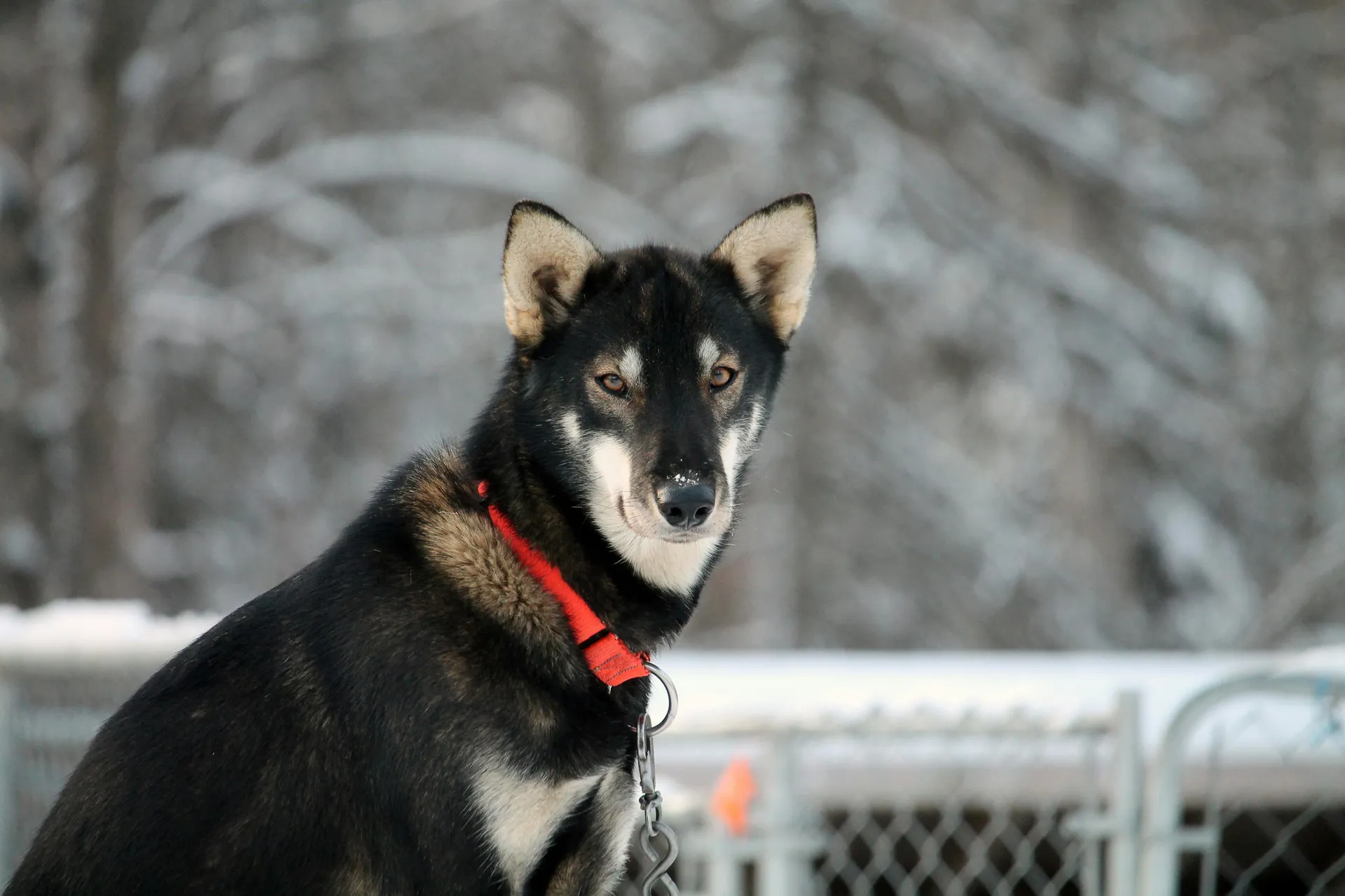
Snow covers the subarctic tundra in a thick, insulating layer that swallows sound whole. You stand at the edge of a trail cut through black spruce trees. The temperature hovers near zero. You have two choices for pushing into this frozen expanse. One relies on a thousand-year-old tradition of animal power and pack dynamics. The other depends on a two-stroke engine burning high-octane fuel. Both machines—one of flesh and bone, the other of steel and track—will carry you across glaciers and through remote river valleys. The difference lies entirely in the sensory return.
Deciding between a dog sledding expedition and a snowmobile excursion is the defining dilemma for travelers planning a winter itinerary. Both command immense respect. Both require specialized gear and a willingness to embrace extreme elements. Understanding the mechanical, physical, and historical distinctions between the two will dictate the entire rhythm of your trip.
The Sensory Experience: Paws vs. Pistons
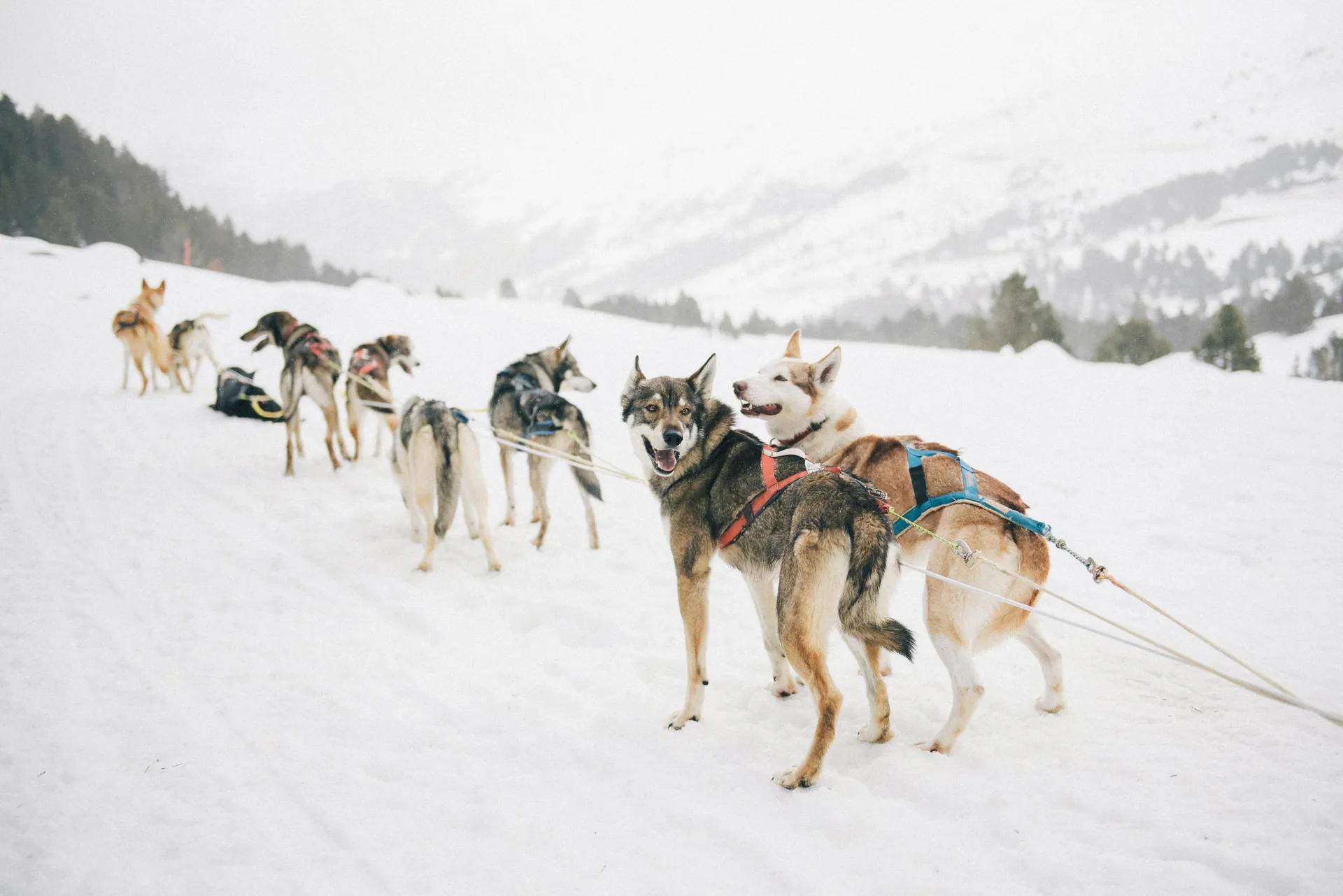
A dog sled team operates on raw, unbridled anticipation. Approaching a kennel, the noise is absolute chaos. Forty Alaskan Huskies scream, jump against their harnesses, and slam their weight forward, desperate to run. You take your position in the basket. The musher pulls the quick-release hook. Instantly, the barking stops. The only sound remaining is the rhythmic crunch of eighty paws hitting hard-pack snow and the hiss of composite runners gliding over ice.
This quiet isolation allows for intimate wildlife encounters. Moose, ptarmigan, and lynx are far less likely to bolt from an approaching dog team. You move at the speed of nature—typically eight to twelve miles per hour. The journey is about connection. You observe the lead dogs reacting to microscopic changes in the snow density. You watch the wheel dogs power through steep inclines. It is a masterclass in canine psychology, something you can study in depth by exploring the mechanics of training sled dog athletes.
That profound silence shatters the moment a two-stroke engine fires up. Snowmobiling—universally referred to as “snowmachining” by Alaskans—is an exercise in mechanical dominance. You snap the visor of your helmet down, grip the heated handlebars, and press the thumb throttle. The acceleration is violent and immediate. You are no longer moving with the landscape; you are conquering it.
A snowmobile covers in an hour the distance a dog team might cover in a full day. You can cross vast frozen lakes, power up alpine ridges, and access high-elevation bowls that would exhaust a team of huskies. The adrenaline is sustained. The deep backcountry is something you have to prepare for. Essential winter backcountry safety protocols recommended by Alaska.org advise carrying emergency communication devices, avalanche beacons, and spare belts when pushing into these remote sectors. The thrill of a snowmobile lies in autonomy and raw geographic reach.
| Feature | Dog Sledding | Snowmobiling |
|---|---|---|
| Pace | Moderate/Slow (8-12 mph) | Fast/High-Speed (30-60+ mph) |
| Experience | Cultural, Intimate, Quiet | Adrenaline, Mechanical, Loud |
| Physical Effort | Low (Passenger) to Moderate (Musher) | Moderate to High (Requires Core Strength) |
| Environmental Impact | Low (Animal-powered, leave no trace) | Higher (Emissions, exhaust, noise) |
| Typical Cost | $$$ (Kennel Maintenance Overhead) | $$ (Equipment Rental & Fuel) |
Physical Requirements & Comfort
The biomechanics of each activity dictate who should book them. Age and fitness levels play a critical role in your decision-making process.
Dog Sledding
Riding as a passenger in a dog sled requires zero physical exertion, but it demands immense thermal resilience. You are sitting mere inches above the ice, stationary, often for an hour or more. The cold creeps through standard winter clothing rapidly. You need expedition-grade parkas, insulated pac boots, and heavy mittens. Reviewing our mushing gear essentials will save you from a miserable, shivering ride.
If you choose an active driving tour where you stand on the runners, the dynamic changes. You must kick up steep hills to help the dogs, lean aggressively into icy corners, and stand hard on the drag brake to control descents. It requires decent balance and cardiovascular stamina.
Snowmobiling
Operating a modern snowmachine requires significant upper body and core strength. These machines often weigh over 500 pounds. You do not steer a snowmobile simply by turning the handlebars; you must throw your body weight across the seat to counter-steer against the centrifugal force of a turn. You must accomodate the shifting weight of the machine over unpredictable terrain.
Riding over heavily moguls (whoops) or breaking trail through deep powder is an intense physical workout. However, snowmobiles feature heated grips and thumb warmers. Because you are actively wrestling the machine, riders often sweat profusely despite sub-zero ambient temperatures.
“A dog sled moves at the pace of the wilderness. A snowmachine forces the wilderness to move at your pace.”
Authenticity and Heritage
Mushing is the official state sport of Alaska. Its cultural footprint is massive. Before aviation and reliable internal combustion, dogs were the sole lifeline for remote Athabascan villages and gold rush mining camps. The 1925 Serum Run to Nome—where relays of dog teams transported lifesaving diphtheria antitoxin across 674 miles of brutal wilderness—cemented the sled dog in American mythology.
When you book a tour like Anchorage’s Authentic Dog Sledding Experience, you are participating in a living history. Many tour operators are active competitors in long-distance races. You will hear stories of sleep deprivation, frostbite, and the unbreakable bond between musher and team. The Iditarod Trail Committee fiercely protects this heritage, ensuring that the Alaskan Husky remains a purpose-driven mixed breed.
Snowmobiles, while lacking the romanticism of the gold rush era, are the modern backbone of rural Alaskan logistics. They are utilitarian tools used by trappers, hunters, and off-grid homesteaders. Riding a snowmachine into the backcountry offers a different kind of authenticity—a glimpse into contemporary frontier survival.
Cost Structures and Kennel Realities
Travelers often express surprise at the price difference between the two activities. A standard one-hour dog sledding tour frequently costs more than a half-day snowmobile rental. The economics are straightforward.
A snowmobile requires an initial capital investment, fuel, and routine mechanical maintenance. When it is parked, it costs the operator nothing. A racing kennel is a massive, year-round biological operation. A yard of forty dogs consumes thousands of pounds of high-protein kibble, raw beef, and specialized salmon supplements annually. They require veterinary care, secure fencing, and daily exercise even in the dead of summer. When you pay for a mushing tour, you are subsidizing the immense overhead required to maintain elite canine athletes 365 days a year.
Logistics: Locations and Guide Requirements
The geography of your trip will influence your options. If your itinerary brings you to the Interior, Fairbanks mushing tours offer unparalleled access to frozen rivers and boreal forests. The extreme cold here hardens the trails, providing lightning-fast runs. Operators in this region often combine sledding with aurora borealis viewing.
For those cruising the Inside Passage during the summer, snowmobiling is off the table entirely. However, high-altitude dog camps remain active. You can book helicopter access to the icefields near Juneau or Skagway. Coastal options like the Wilderness Dog Sled Ride and Tour in Seward utilize wheeled training carts to replicate the mushing experience on dry land, allowing the dogs to maintain their fitness through the warmer months. You can read more about this off-season conditioning in our guide to summer mushing training.
Safety protocols differ sharply between the two activities. Dog sled tours are strictly guided. You are either a passenger in the musher’s sled or driving a tag-sled tethered to the guide’s rig. The dogs bark fiercely at teh starting line, but once moving, the guide controls the tempo. Snowmobiling offers both guided tours and unguided rentals. If you choose an unguided rental, you assume full liability for navigation and mechanical extraction. The Alaska Division of Parks and Outdoor Recreation maintains public use cabins and trail markers, but severe weather can bury a trail system in minutes. Novices should always opt for a guided snowmobile excursion.
Can You Do Both?
You do not have to draw a hard line in the snow. Many travelers successfully integrate both experiences into a single Alaskan itinerary. The key is managing physical fatigue and thermal exposure.
- Morning Mushing: Book a dog sledding tour for the early morning. Temperatures are lowest, which the dogs prefer. The crisp, silent air and low-angle sunrise provide incredible photography conditions. You will finish the run culturally enriched but physically chilled.
- Lunch and Thaw: Retreat to a lodge. Drink heavy black tea or moose soup. Allow your core temperature to reset.
- Afternoon Throttle: Transition to a high-energy snowmobile tour. The physical exertion of maneuvering the machine will generate body heat. The speed will satisfy the adrenaline craving that the slower pace of the morning left untouched.
If you are basing your trip out of the Matanuska-Susitna Valley, you are perfectly positioned. Willow is the mushing capital of the world, serving as the official restart location for the Iditarod. Just an hour away, the Chugach Mountains offer some of the most expansive snowmobile terrain on the continent. You can easily schedule an immersive kennel tour, like the Dog Sledding Adventure in Willow, and follow it up the next day with a guided motorized run toward a glacial face.
Local Tip: If you plan to rent a snowmobile independently, check the current ice thickness reports from local authorities. “Overflow”—where water pushes up through cracks in river ice and hides under a layer of deceptive snow—can trap a 500-pound machine instantly. Getting wet at minus twenty degrees is a critical emergency.
Choosing Your Alaskan Adventure
Your decision hinges on what you want to extract from the wilderness. If you desire a quiet, historical connection to the land and are fascinated by the genetics and drive of working animals, dog sledding is non-negotiable. It is an investment in Alaskan heritage. It connects you to a lineage of survival that predates modern infrastructure.
If your priority is covering maximum terrain, accessing towering mountain passes, and feeling the sheer force of modern engineering against a frozen landscape, you need a snowmobile. The throttle provides an unmatched sense of scale, shrinking vast valleys into afternoon excursions.
Whichever path you select, ensure you book well in advance. Winter operations are highly dependent on daylight hours and trail conditions. Browse our comprehensive list of guided tours and lessons to secure your spot on the runners, or explore other things to do in Alaska to find reputable snowmachine outfitters across the state.