The History of the 1925 Serum Run to Nome
The 1925 Serum Run: The Great Race of Mercy That Saved Nome
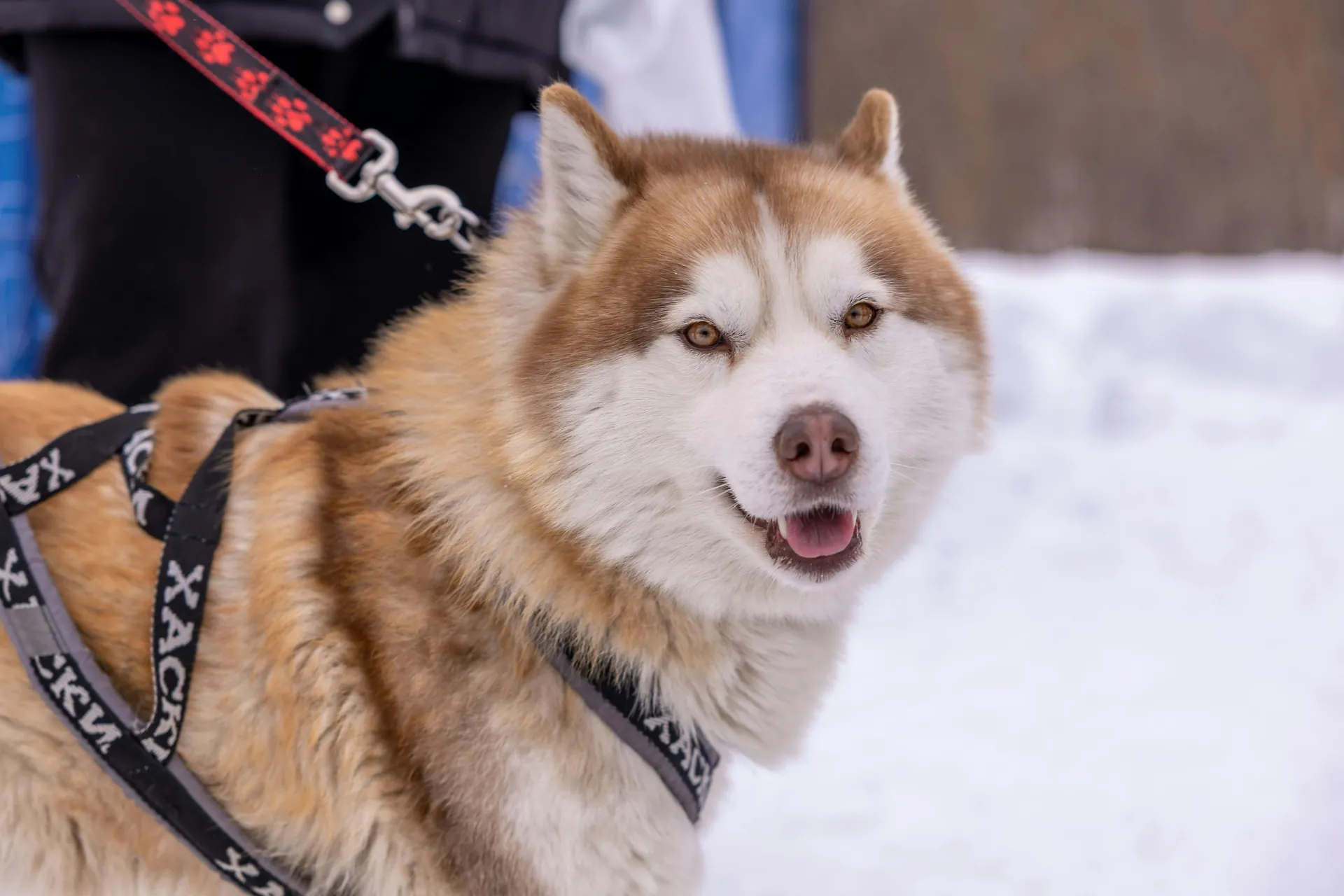
Winter suffocated the Bering coast. In January 1925, a lethal outbreak of diphtheria struck the isolated gold rush settlement of Nome, Alaska. The local physician, Dr. Curtis Welch, diagnosed the first cases with grim certainty. The highly contagious bacterial infection rapidly closed the airways of its victims. Welch recognized the immediate threat facing the community’s children but possessed only expired antitoxin. A harsh reality set in—Nome was a town the rest of the world had lost touch with. The port was frozen solid, entirely inaccessible by ship. Early aviation technology lacked the capacity to operate in sub-zero whiteouts, grounding any hope of a medical airlift. The survival of thousands depended on a 300,000-unit cylinder of life-saving vacine resting 674 miles away in Nenana.
The Crisis in Nome and the Relay Strategy
Alaskan territorial officials devised a desperate relay. They organized twenty mushers and over 150 Alaskan sled dogs to push the medicine across the frozen interior. Following the mail trail—a brutal corridor of jagged ice and blinding gales—the teams operated day and night. Governor Scott Bone authorized the route, knowing full well it demanded inhuman endurance.
According to archives maintained by the Alaska State Library, the relay operated in conditions where teh temperature plummeted to minus 85 degrees Fahrenheit with wind chill. Men suffered severe frostbite on their faces and hands. Dogs broke through brittle river ice into freezing water. Yet, they pressed forward, transferring the twenty-pound metallic cylinder wrapped in fur from sled to sled. The logistics required absolute precision; a dropped vial or a lost team would mean certain death for the children on the coast.
| Leg | Musher | Lead Dog | Distance Covered |
|---|---|---|---|
| Nenana to Tolovana | Bill Shannon | Blackie | 52 miles |
| Shaktoolik to Golovin | Leonhard Seppala | Togo | 91 miles (261 total trip) |
| Bluff to Nome | Gunnar Kaasen | Balto | 53 miles |
The Heroes: Togo vs. Balto
Togo: The Unsung Hero
History books frequently overlook the sheer magnitude of Leonhard Seppala’s contribution. Seppala and his twelve-year-old lead dog, Togo, covered a staggering 261 miles in total. They departed Nome to intercept the serum, met the handoff, and immediately turned back toward the coast. Their return journey forced them across the groaning pack ice of Norton Sound. Togo possessed an uncanny ability to read fracturing sea ice in complete darkness. The Siberian Husky led his team through 80 mph winds, a physical feat the National Park Service cites as the most perilous stretch of the entire relay. They broke the back of the distance, handling the hardest miles so the medicine could reach the coast.
Balto: The Media Icon
Gunnar Kaasen took the handoff for the final leg. His lead dog, Balto, was a stout, inexperienced sled dog originally relegated to hauling heavy freight for miners. Despite a blinding ground blizzard that obscured the trail entirely, Kaasen lost his bearings. Balto relied on raw canine instinct, dropping his nose to the snow to follow the invisible scent of the trail breakers. They narrowly avoided open water near the Topkok River. The team arrived on Front Street in Nome at 5:30 AM on February 2, completing the relay in an astonishing 127.5 hours. Because Balto physically pulled the sled into town, he became the immediate face of the mission. The national press seized the moment, flashing his photograph across the country.
“The ice of Norton Sound groaned and shifted under the sled runners, a black abyss waiting just inches below the paws of Seppala’s team.”
The Aftermath: Fame and Exploitation
The conclusion of the relay brought immediate medical relief to Nome, but the dogs faced a vastly different outcome. Seppala and Togo continued their quiet life in the territory, eventually touring the lower forty-eight states where Togo was recognized by actual mushing enthusiasts as the superior athlete. Balto and his team, conversely, were sold to a vaudeville promoter. They spent months enduring brutal conditions in a Los Angeles dime museum, severely malnourished and forced to stand on display in heavy harnesses.
Cleveland businessman George Kimble discovered the emaciated team and orchestrated a massive public fundraising campaign. Schoolchildren collected pennies to purchase the dogs, bringing them to the Cleveland Zoo where they lived out their final years in comfort. This stark contrast in post-run lives highlights a recurring theme in the history of the sport—the delicate balance between working animal and public spectacle. Modern kennels have entirely rewritten this standard, prioritizing animal welfare above all else. Today, understanding how sled dogs are trained reveals a culture built on positive reinforcement and advanced veterinary science.
Legacy and Modern Connection
The success of the Great Race of Mercy ignited a global fascination with the sled dog. The rise of the snowmobile in the mid-20th century threatened to erase mushing from the cultural landscape. Decades later, passionate Alaskans revived the trail to honor the 1925 relay. This effort birthed the modern Iditarod Trail Sled Dog Race.
Spanning roughly 1,000 miles from Willow to Nome, the Iditarod and other famous Alaska races demand the same endurance displayed by Seppala and Kaasen. Mushers meticulously manage their teams through unforgiving terrain, relying on a bond forged in extreme conditions. The official Iditarod records detail how today’s competitors carry forward the legacy of the original serum run, treating their dogs with paramount respect. The equipment has evolved—you can learn more about what modern mushers carry in their sleds—but the raw reliance on canine intuition remains unchanged.
Visiting the History
The physical artifacts of the 1925 run survive in museums across the country, allowing modern travelers to stand face-to-face with these canine legends. Balto’s famous bronze statue stands proudly in New York City’s Central Park, a site that draws millions of tourists annually. The dog himself is preserved at the Cleveland Museum of Natural History.
For those traveling to the source, Alaska holds its history close. The Anchorage Museum frequently rotates exhibits detailing the territory’s early medical emergencies and transportation networks. A short drive north brings visitors to the Iditarod Trail Headquarters in Wasilla, an essential stop for anyone exploring Anchorage and Willow sled dog experiences. Here, you can examine original sled designs, trace the historic mail routes on expansive maps, and understand the sheer scale of the 674-mile relay.
Togo, the true iron dog of the relay, is preserved at the Iditarod Trail Headquarters in Wasilla, Alaska. Yet his spirit feels most alive in the Alaskan interior. Travelers eager to understand the power of these animals can experience the trail firsthand. You can book an authentic Anchorage dog sledding experience running on the historic Tozier Track where modern athletes train. Alternatively, those passing through the interior can feel that same winter bite by joining a dog sledding and mushing experience in the North Pole, where the silence of the snow-covered taiga echoes the isolation the 1925 mushers conquered.