How Sled Dogs are Trained: From Puppies to Leaders
The Making of an Athlete: From Pups to Pack Leaders
A sled dog is not manufactured on a snowy trail. Decades of selective breeding forge an animal engineered for endurance in sub-zero climates, locking the physical stamina and psychological desire to pull deep within their genetic code. The instinct to run arrives at birth. Converting that raw, chaotic energy into a synchronized unit capable of navigating treacherous terrain demands a lifetime of conditioning. Mushing discipline isn’t taught in a vacuum—it’s a shared language the young pups pick up from the veteran dogs they run alongside of.
Visitors stepping into a professional kennel immediately notice the sheer volume of sound. Hundreds of dogs bark, howl, and leap against their tethers at the sight of a harness. Once the musher releases the brake, an immediate, eerie silence falls over the team. The dogs channel every ounce of their focus into the physical act of pulling. Alaskan Huskies dominate the sport precisely because of this ingrained drive. You can review the complex lineages that shape these animals in our guide to Alaskan Sled Dog Breeds & Kennel Life. Elite mushers recognize that force never yields a championship team. Modern sled dog management relies entirely on mutual respect, where the musher acts as a guide rather than a dictator.
The Puppy Phase and Early Socialization
The critical developmental window for a sled dog spans the first six months of life. Handlers focus heavily on socialization, exposing litters to new sounds, surfaces, and human interaction. During teh initial stages of growth, trust forms the foundation of the future working relationship. Pups must learn that human hands bring food, comfort, and eventually, the thrill of the trail.
Handlers introduce miniature “puppy harnesses” around eight weeks of age. These weigh mere ounces. The pups wear them while chasing toys or exploring the yard, creating a positive association with the gear long before they ever face a loaded sled. The ASPCA strictly outlines positive reinforcement as the only scientifically backed method for canine education, a philosophy the modern mushing community embraces fully. Praise, physical affection, and high-value treats reward correct behaviors.
Kennels often rely on visitors to assist with early socialization. Summer travelers booking a Musher’s Camp & Sled Dog Adventure in Skagway frequently spend time holding and playing with the youngest litters. This exposure ensures the dogs mature into confident adults unbothered by the chaos of race day crowds, loud machinery, or enthusiastic tourists. Around four to five months of age, mushers practice “free-running.” The pups sprint off-leash alongside an older, harnessed team pulling an ATV. They learn to navigate puddles, cross small bridges, and ignore trail distractions simply by watching the adults work.
The Anatomy of a Sled Dog Team
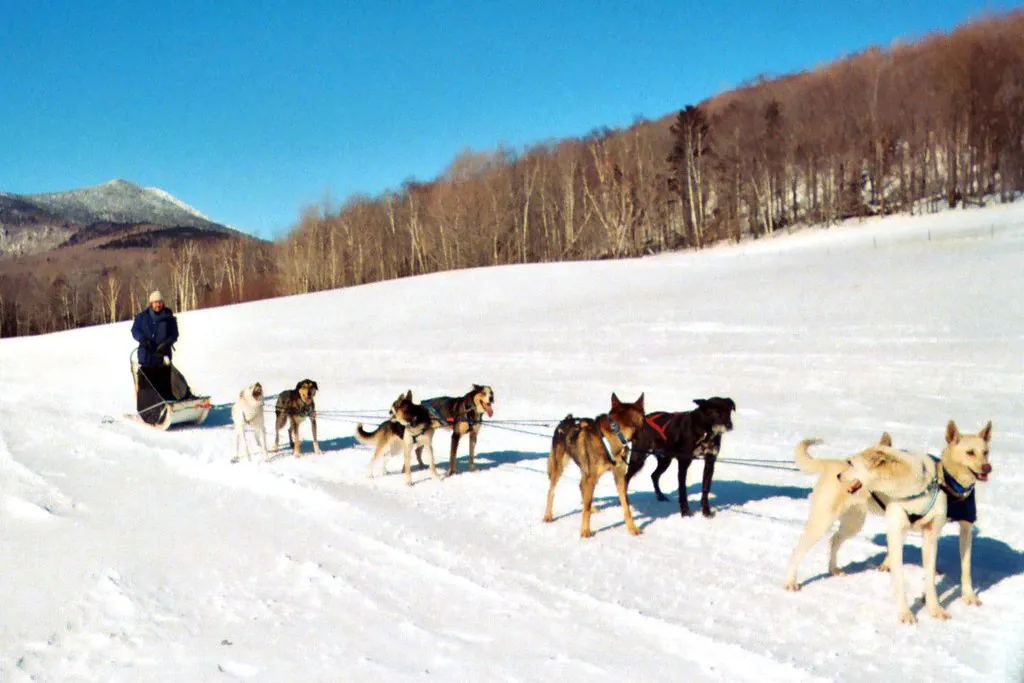
Around their first birthday, yearlings join the adult pack for short, controlled runs. Mushers observe their natural gait, focus, and reaction to trail obstacles to assign them a specific position within the gangline. A dog’s role on the team often shifts as they age, gain experience, and build muscle mass.
Lead Dogs
Lead dogs serve as the brains of the operation. They possess exceptional intelligence, an unwavering desire to please, and the mental fortitude to ignore a moose standing twenty yards off the trail. These dogs execute directional commands and dictate the pace. Identifying a true leader takes years of observation; they are born, not made.
Swing & Team Dogs
Positioned directly behind the leaders, swing dogs help steer the main body of the pack through turns. Behind them sit the team dogs. These athletes form the engine room. They deliver the consistent, relentless forward power required to cross mountain ranges during grueling events detailed in our Iditarod & Famous Alaska Races guide.
Wheel Dogs
Wheel dogs are stationed closest to the sled. They carry the heaviest physical burden, absorbing the immediate jerk and drag of the runners. Mushers select the largest, most muscular dogs for this position. They require an unshakeable, steady temperament to handle the sled sliding unpredictably directly behind their heels.
Mushing Command Vocabulary
Communication across a hundred feet of gangline requires a sharp, universally understood vocabulary. Mushers project these commands from the runners, relying on the lead dogs to process the auditory cues and physically guide the rest of the team. The terms “Gee” and “Haw” originate from plow horse drivers in the 1800s. Mushers adopted them because the distinct vowel sounds cut clearly through the noise of howling wind and crunching snow.
| Command | Meaning | Purpose |
|---|---|---|
| Hike! / Mush! | Go / Start | Initiates forward movement of the team. |
| Gee | Turn Right | Directional navigation at trail intersections. |
| Haw | Turn Left | Directional navigation at trail intersections. |
| Whoa | Stop | Critical safety command requiring immediate braking from all dogs. |
| On-by | Keep Going | Instructs the team to pass distractions or other kennels without engaging. |
Conditioning, Maintenance, and Welfare
Peak physical condition requires a year-round comitment to cardiovascular health and joint mobility. When the Alaskan snow melts, the training regimen transitions seamlessly to dirt trails. Mushers attach the gangline to specialized wheeled ATVs or custom carts, a process we cover extensively in our Summer Mushing guide. This dry-land training keeps the dogs’ minds engaged and prevents muscle atrophy during the warmer months. Travelers visiting the Mat-Su Valley can witness this athletic power firsthand on a Summer Dog Sledding Adventure in Willow, Alaska, navigating the dense boreal forests on specially built rigs.
Alaskan Huskies possess a dense double coat designed to trap body heat. Training runs halt entirely if the ambient temperature climbs above fifty degrees Fahrenheit. Running dogs in warm weather risks severe heat exhaustion. Mushers shift their summer conditioning runs to the very early hours of the morning or late at night to ensure the team stays cool.
Welfare remains the absolute highest priority in professional kennels. Intense caloric output demands a highly specialized diet of premium kibble, raw meat, and nutrient-dense fats like salmon oil. Veterinary oversight dictates the training schedule. The Iditarod Trail Committee Vet Guidelines establish strict baselines for canine cardiac health, hydration protocols, and mandatory rest periods. Independent organizations like the International Sled Dog Veterinary Medical Association continuously publish updated research on extreme weather athletic care. Mushers monitor every individual dog’s gait, adjusting harness types—explained in our Essential Gear Explained post—to eliminate friction points and applying protective fleece booties to shield paws from jagged ice.
The Retirement Transition
A racing dog’s prime athletic window typically spans from two to eight years of age. As older dogs begin to lose their explosive speed, they transition into new roles. Mushers move veteran athletes out of the grueling 1,000-mile race teams and place them into shorter, slower tourist runs. A ten-year-old Husky might lack the stamina for the Yukon Quest, but they provide perfect, steady leadership for a Dog Sledding and Mushing Experience in North Pole.
Older dogs serve as critical mentors. Mushers pair frantic yearlings with calm veterans to teach the younger generation how to pace themselves on the trail. When a dog clearly signals they no longer wish to run—often by sitting down while the team is being harnessed—they retire completely. Many professional kennels operate robust adoption programs, placing retired athletes into active pet homes where they spend their twilight years hiking, skijoring, or sleeping on couches.
A sled dog team is not just a group of animals; it is a synchronized unit built on years of trust, positive reinforcement, and mutual respect between the musher and the pack.