Overview: Beyond the Sled
The Frozen Giants: Glacier Trekking & Flightseeing
Glacier Ascents
Exit Glacier in Seward and Mendenhall Glacier in Juneau offer the most accessible ice trekking in the state. Stepping onto a glacier requires specialized gear—crampons, helmets, and ice axes. Guided hikes cost between $150 and $400 per person, depending on whether you hike from the valley floor or utilize a helicopter for upper-elevation access. Combining these activities is seamless. For example, you can book a Helicopter Glacier & Dog Sledding Adventure Tour in Seward, landing directly on Godwin Glacier where sled dogs spend their summers living on the ice cap. Check current trail conditions and ice stability reports via the Kenai Fjords National Park official portal before finalizing your route.
Alpine Flightseeing
Bush planes provide the only practical method to grasp teh sheer scale of the Wrangell-St. Elias range. Strapping into a DeHavilland Beaver or a Cessna 185 equipped with ski-floats exposes the verticality of Denali and its surrounding peaks. Flights generally range from $250 to $600 per passenger. Pilots fly low over braided river valleys, banking sharply past granite walls to reveal high-altitude base camps. You spot moose tracking through deep powder and remote mushing outposts inaccessible by road. This aerial perspective clarifies why dog sledding remains a vital form of transport in regions where asphalt surrenders to permafrost.
Boreal Safaris: Wildlife Tracking & Coastal Routes
The Big Five
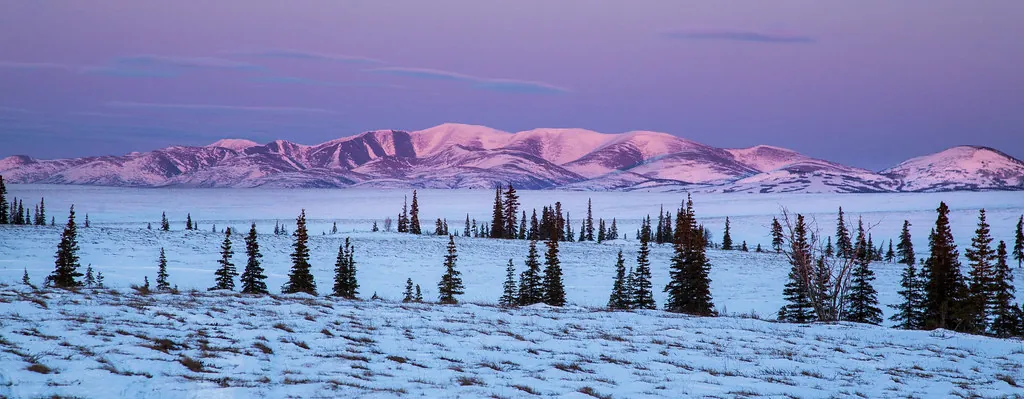
Denali National Park commands the interior. Moose, brown bears, wolves, caribou, and Dall sheep dominate this six-million-acre reserve. Standard vehicle access is heavily restricted to protect the fragile tundra ecosystem. Visitors rely on official transit buses traveling the 92-mile Park Road. Tickets range from $50 to $250 depending on the mileage and level of guided commentary. Tracking wolves in the wild presents a stark contrast to the domesticated intensity of an Anchorage-based mushing yard. Wildlife behavior shifts radically by season; consult the Denali National Park planning guide to align your expectations with animal migration patterns.
Marine Fjords
Coastal environments demand a different approach. Seward and Valdez serve as the primary launch points for marine safaris and coastal kayaking. Navigating a sea kayak through chunks of calved ice puts you at water level with migrating orcas, humpback whales, and Steller sea lions. After a morning on the water, travelers frequently transition inland. A Wilderness Dog Sled Ride and Tour in Seward utilizes specialized wheeled carts during the summer, pulling you through the exact coastal rainforests that border these deep-water fjords. The contrast between salt spray and dense spruce canopy defines the Kenai Peninsula.
Deep Winter Pursuits: Ice Fishing & Aurora Hunting
Hardwater Angling
Ice fishing requires mechanical intervention. Outfitters drill through three feet of solid ice, dropping lines for Arctic char, landlocked salmon, and rainbow trout, before setting up a heated shelter you can warm up in. Excursions at Chena Lakes near Fairbanks cost between $100 and $200 per person and include thermal gear and sonar fish-finders. The Alaska Department of Fish and Game strictly regulates winter catch limits, ensuring sustainable harvests. Pulling a heavy lake trout onto the ice pairs flawlessly with a multi-day dog sledding expedition, matching the slow, deliberate patience of angling with the high-adrenaline rush of the mushing trail.
Railways and Night Skies
Connecting these frozen outposts requires heavy machinery. The Alaska Railroad operates its Aurora Winter Train, linking Anchorage to Fairbanks. It slices through the backcountry, allowing you to bypass treacherous, ice-choked highways. Tickets range from $100 to $300 per segment. Upon arriving in the interior, the focus shifts upward. Northern Lights hunting dominates the night. Kennels often coordinate their schedules with solar activity. Booking a Fairbanks mushing tour with included transport allows you to run a team of huskies through the boreal forest under the green glow of the Aurora Borealis, eliminating the logistical friction of driving yourself in extreme sub-zero conditions.
Traveler Advice: Itinerary Logistics
Structuring an Alaskan itinerary requires ruthless prioritization. You cannot execute a deep-sea fishing charter and a high-latitude aurora mushing run on the same day. Geography prevents it. Weather aborts it. The sub-arctic enviornment demands respect, and overloading your daily schedule guarantees exhaustion and missed connections. Review the seasonal alignments below to understand which secondary activities sync best with your primary mushing objective.| Travel Season | Primary Mushing Format | Optimal Complementary Activities | Logistical Hub |
|---|---|---|---|
| Winter (Dec – March) | Snow Trails & Aurora Runs | Ice Fishing, Northern Lights Tracking, Hot Springs | Fairbanks / Talkeetna |
| Spring (April – May) | Late Season Altitude Runs | Cultural Museums, Early Wildlife Spotting | Anchorage / Willow |
| Summer (June – Aug) | Helicopter Glacier / Cart Mushing | Marine Kayaking, Bear Viewing, Flightseeing | Seward / Juneau |
| Autumn (Sept – Nov) | Dry-land ATVs & Carts | Hiking, Final Fishing Runs, Scenic Railroads | Skagway / Denali |
“Do not underestimate the sheer transit time between regions. A line on the map that looks like a two-hour drive in the Lower 48 will take five hours in Alaska, assuming the mountain passes are clear of avalanche debris. Book your dog sledding anchor first, then build a localized radius of activities around that specific kennel.”