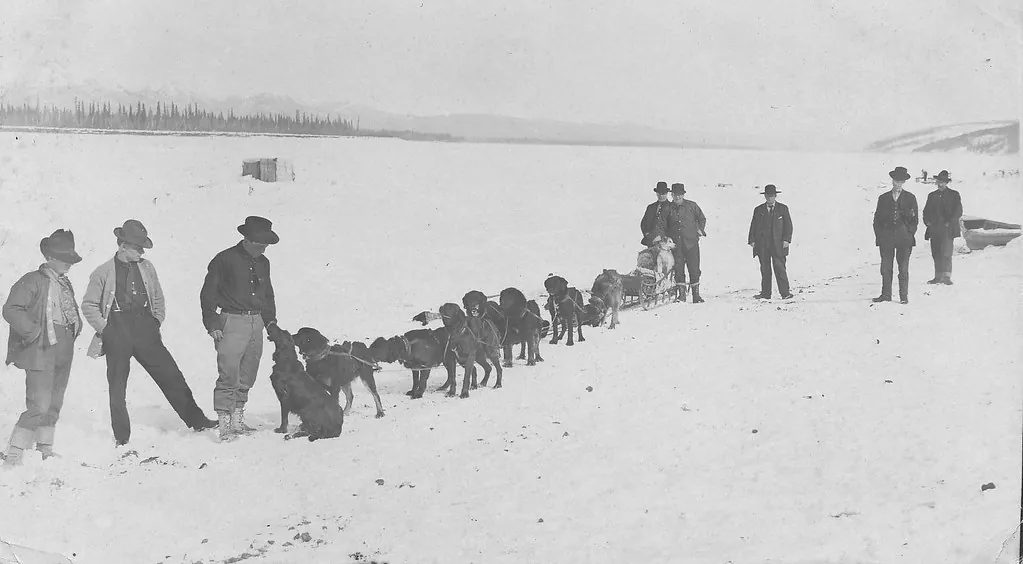
Introduction: The Canine Engine of the North
A sled dog is a biological engine. It processes calories with an efficiency that baffles human sports medicine researchers. When a team leaves the starting chute, the animals embark on a physiological marathon requiring unparalleled endurance. The Alaskan dog sledding experience relies entirely on these canine athletes. They are not typical household pets. They are highly conditioned professionals bred over generations to pull weight across frozen terrain.
Understanding the sled dog requires stripping away the romanticized Hollywood image. Professional mushing is a sport defined by rigorous biomechanics, precise nutritional science, and an unbreakable bond between musher and team. An elite dog possesses a specialized cardiovascular system capable of sustaining rapid pacing in sub-zero temperatures. This is the exact type of extreme weather the dogs thrive in.
The Three Pillars of Sled Dog Breeds
Modern mushing relies on three distinct types of dogs. While tourists often expect a uniform pack of blue-eyed wolves, actual racing kennels display a massive variety in canine morphology.
- The Alaskan Husky: This is the undisputed gold standard of modern mushing. The Alaskan Husky is a functional type rather than a genetic pedigree recognized by the American Kennel Club. Breeders select for VO2 max, paw toughness, and an insatiable desire to run. These mixed-breed endurance athletes dominate high-stakes competitions managed by the Iditarod Trail Committee.
- The Siberian Husky: Originating in Northeast Asia, the Siberian Husky brings a dense double coat and a distinct, independent intelligence to teh trail. They lack the explosive speed of their Alaskan cousins but handle mid-distance touring with ease. Many recreational outfits favor Siberians for their stamina and manageable size.
- The Alaskan Malamute: The Malamute is the heavy freighter of the Arctic. Weighing up to 85 pounds, these massive dogs hauled mining equipment during the Gold Rush. You will rarely see a pure Malamute team competing for speed in the Iditarod. They possess raw, unrelenting pulling power over sheer velocity.
Travelers eager to see these distinct breeds in action can book a Dog Sledding Adventure in Willow, Alaska, which operates out of the mushing capital of the world and provides direct interaction with champion lineages.
| Breed / Type | Primary Role | Weight Range | Key Temperament | Endurance Level |
|---|---|---|---|---|
| Alaskan Husky | Long-distance racing | 35 – 60 lbs | Driven, focused, eager | Unmatched |
| Siberian Husky | Mid-distance & touring | 35 – 60 lbs | Intelligent, independent | High |
| Alaskan Malamute | Heavy freighting | 75 – 85 lbs | Powerful, affectionate | Moderate (Paced) |
Anatomy of a Team & Kennel Life
Roles on the Line
A sled dog team operates as a highly structured unit. The physical placement of each dog dictates their specific job. The Lead Dogs run at the very front. They dictate the pace and execute the musher’s verbal commands. Behind them are the Swing Dogs, responsible for steering the pack through tight turns. The core block consists of Team Dogs, who provide the sustained pulling power. Finally, the Wheel Dogs are positioned directly in front of the sled. These are typically the largest, strongest dogs capable of absorbing the immediate shock of a heavy sled lurching foward.
Understanding these roles is a crucial part of training sled dog athletes. A dog may start as a team puller and evolve into a leader as they mature and gain trail confidence.
A Day in the Kennel
Professional kennels operate on strict routines. Socialization begins the moment a puppy opens its eyes. Handlers interact with the young dogs constantly to ensure they remain calm and friendly around massive influxes of visitors. This is especially vital for outfits offering cruise port excursions where hundreds of tourists arrive daily.
A typical day involves early morning feeding, yard cleaning, and harness breaking. During the off-season, dogs undergo rigorous dry-land training. Many visitors participate directly in this socialization process by booking a Musher’s Camp & Sled Dog Adventure in Skagway, where puppy handling is a central part of the curriculum.
High-Performance Care & Training
Fueling an Alaskan Husky is a logistical feat. A racing sled dog consumes upwards of 10,000 calories per day during peak winter conditioning. To achieve this astronomical caloric density without causing gastric distress, mushers feed a specialized high-fat, high-protein diet. The foundation is a premium performance kibble. Handlers supplement this heavily with raw beef, chicken, or salmon, alongside raw fat like suet.
Hydration presents a distinct challenge in the Arctic. Cold air is intensely dry. Dogs running in sub-zero environments risk severe dehydration. Mushers solve this by serving “meat soup”—a warm, highly diluted mixture of fat and protein that encourages the dogs to consume massive amounts of water. You can observe these feeding techniques firsthand if you visit kennels during the extreme cold snaps in Fairbanks.
Physical care extends far beyond the food bowl. Paws require constant monitoring. Ice crystals act like sandpaper on bare digital pads. Mushers utilize specialized protective booties to prevent abrasions and stop snow from balling up between the toes. This protective footwear is a non-negotiable part of essential mushing gear. Training does not stop when the snow melts. Mushers transition to wheeled carts and ATVs to maintain cardiovascular tone, a practice detailed in our guide to summer mushing. For an elite cross-training experience, operators fly teams onto permanent icefields, allowing guests to take a Helicopter Glacier & Dog Sledding Adventure Tour even in the dead of July.
Frequently Asked Questions: Sled Dog Welfare
How are sled dogs cared for during the off-season?
The training never truly stops for a high-performance canine athlete. During the summer, mushers utilize dry-land training methods, harnessing the dogs to specialized wheeled carts or ATVs in neutral gear to maintain their muscle mass. Additionally, many elite kennels transport their dogs via helicopter to high-altitude glacier camps in Juneau or Seward, where they live on the snow and run tours all summer long.
What happens to sled dogs when they retire from racing?
Professional racing kennels maintain strict, structured retirement programs for their veteran athletes. Most dogs transition into a “forever home” program where they are adopted out to active families seeking a highly socialized pet. Older dogs that remain at the kennel often transition into a mentoring role, running alongside young puppies to teach them the mechanics of the harness and the discipline of the trail.
How do mushers ensure the dogs stay warm in sub-zero temperatures?
Alaskan and Siberian Huskies possess a dense, highly specialized double coat designed to trap body heat and repel moisture. During extreme cold snaps, mushers provide elevated wooden houses packed with dense straw, which acts as a powerful insulator. Organizations like the International Sled Dog Veterinary Medical Association set strict guidelines on cold-weather care, ensuring dogs are monitored constantly for signs of thermal stress.
Are sled dogs treated humanely in professional kennels?
Top-tier kennels operate under intense scrutiny and adhere to rigorous veterinary standards. The National Park Service itself maintains a working sled dog kennel in Denali, showcasing the meticulous medical care, high-grade nutrition, and mandatory rest schedules required for these animals. A team that is mistreated or pushed beyond its biological limits will simply refuse to run, making humane treatment the absolute foundation of a successful mushing operation.
What is the difference between a racing dog and a pet dog?
A racing sled dog requires a massive amount of caloric intake and daily physical exertion that far exceeds the needs of a standard domestic breed. They are conditioned from birth to pull weight in a synchronized pack, making their social structure highly complex. While a pet dog might enjoy a brisk walk, an Alaskan Husky experiences a biological imperative to run, requiring specialized guided tours & lessons to safely manage their immense energy levels.
How long is the typical career of an Alaskan sled dog?
A sled dog typically begins light harness training at around six months of age and enters competitive racing or commercial touring between two and three years old. Depending on their joint health and cardiovascular stamina, a dog will remain on the active line until they are eight to ten years old. Once they begin losing the desire or physical capacity to maintain the team’s pace, they are gracefully retired to lighter duties or adopted out.
If you are planning an itinerary beyond the kennel, learning about the best time and weather for dog sledding will help you decide whether to book a winter expedition or a summer glacier flight. Combining a kennel tour with other things to do in Alaska ensures a well-rounded immersion into the wilderness culture of the North.